About EFF
Core Values of EFF
Collaboration
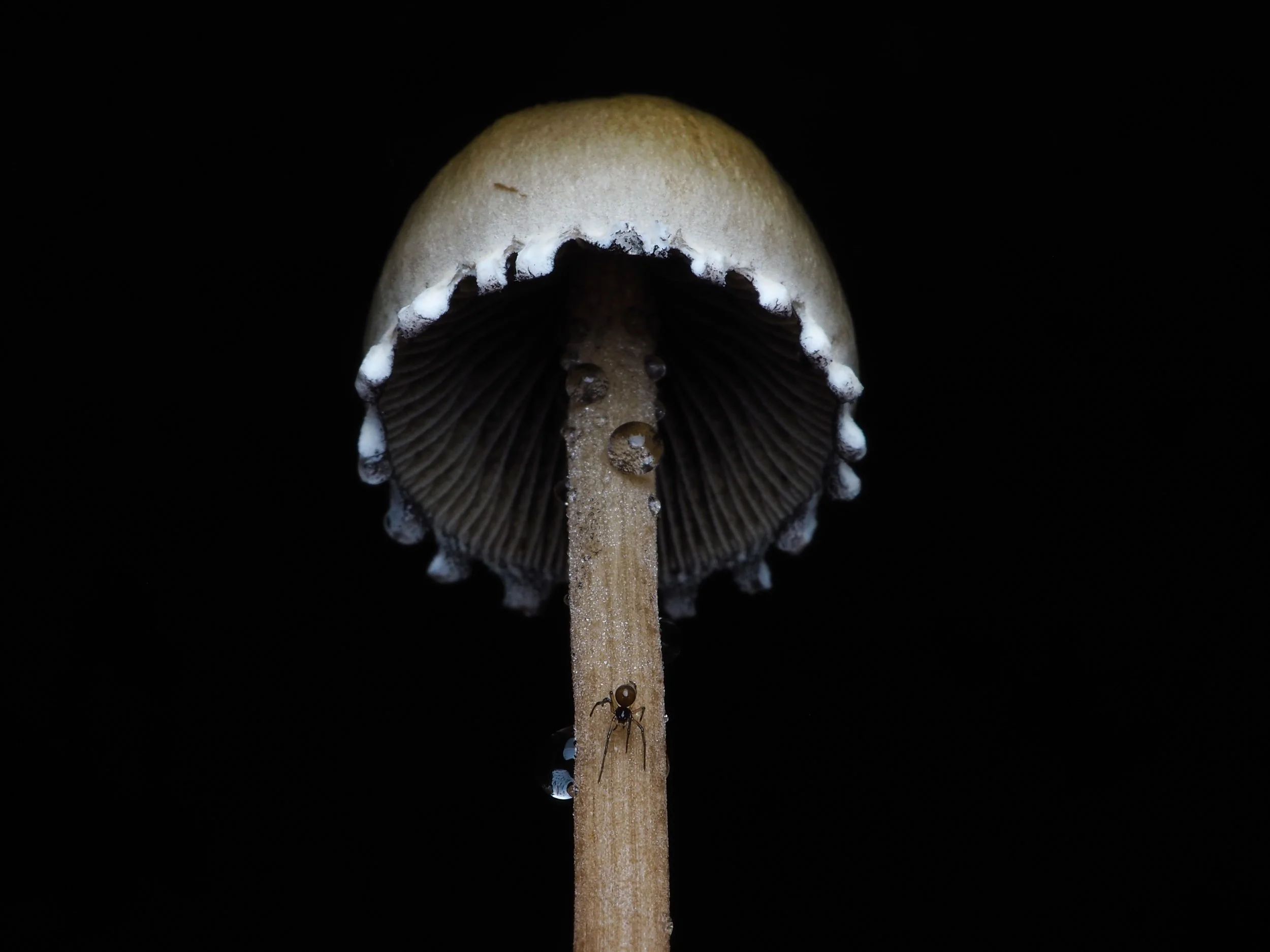
Fungi provide amazing alternative models for interspecies, redistributive connective networks. The festival explores these models as potential roadmaps for humans — collaboration as non-transactional, expansive, and redistributive.
Accessibility
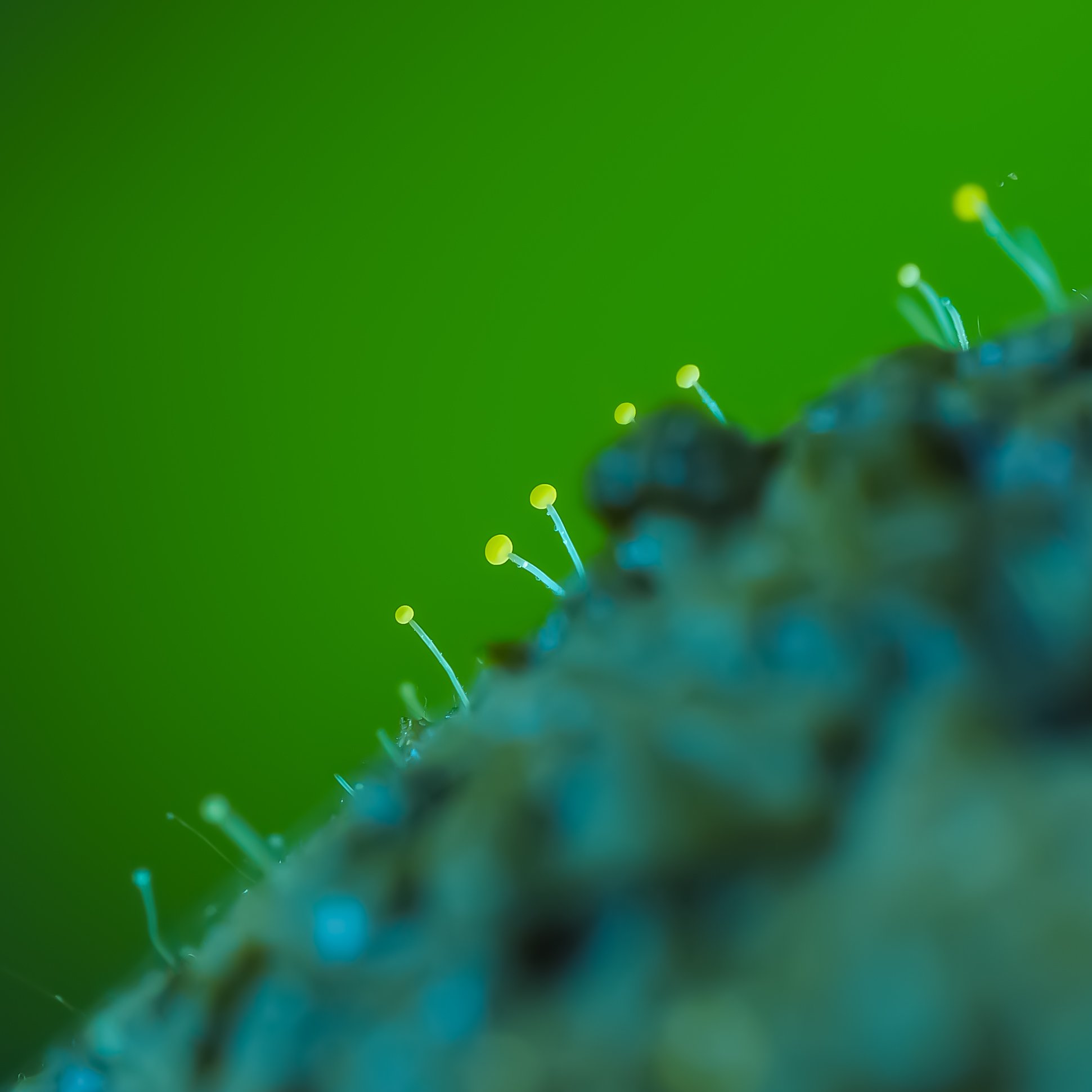
Science should not feel locked away in institutional silos. The festival should welcome everyone - from experienced mycologists to people who have never heard the word “fungi” before - into a free, fully accessible space.
Curiosity
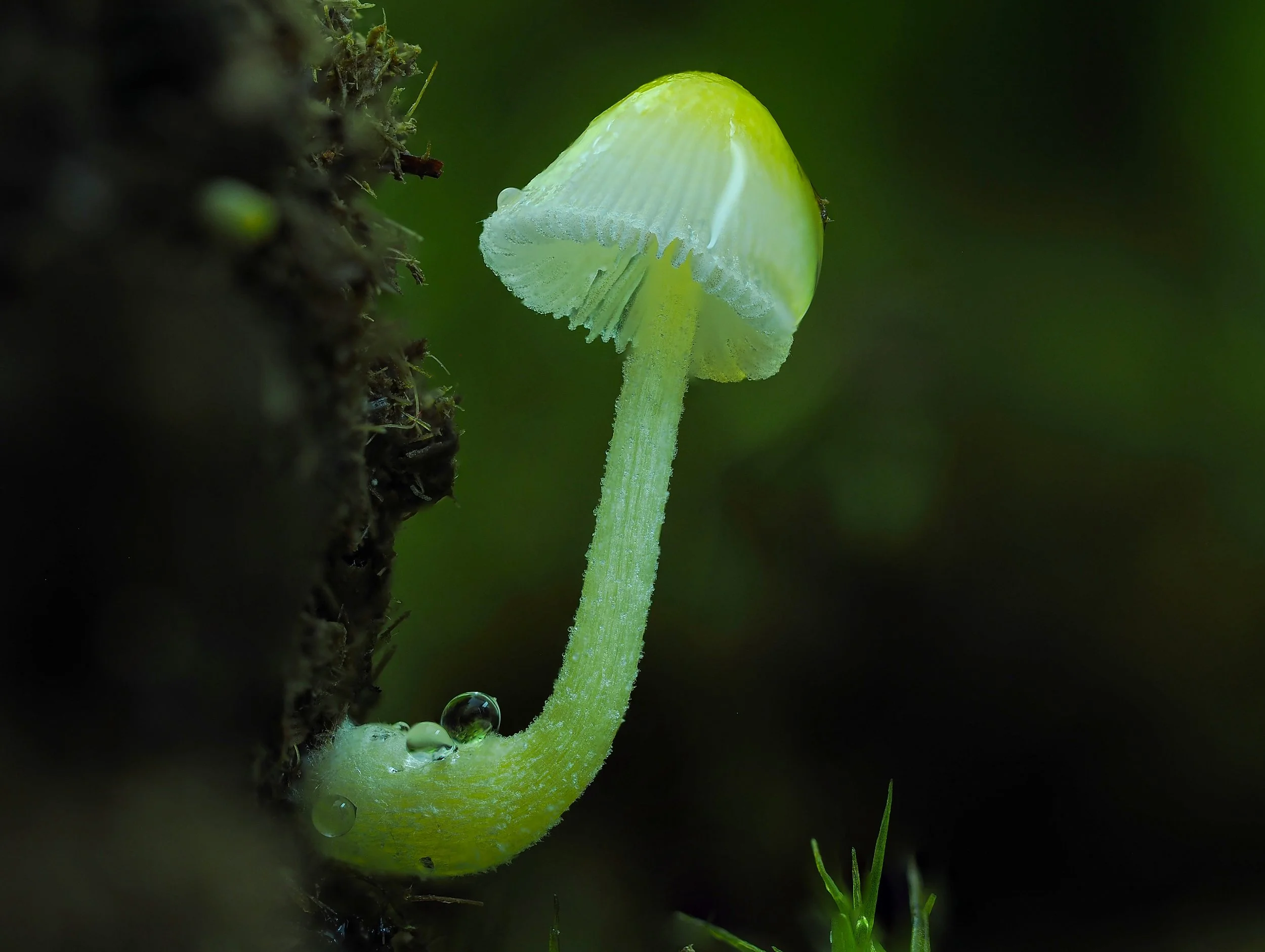
EFF invites people to look closer, ask questions, and notice the small living worlds they usually walk past — encouraging acts of everyday grounded wonder.
Resilience
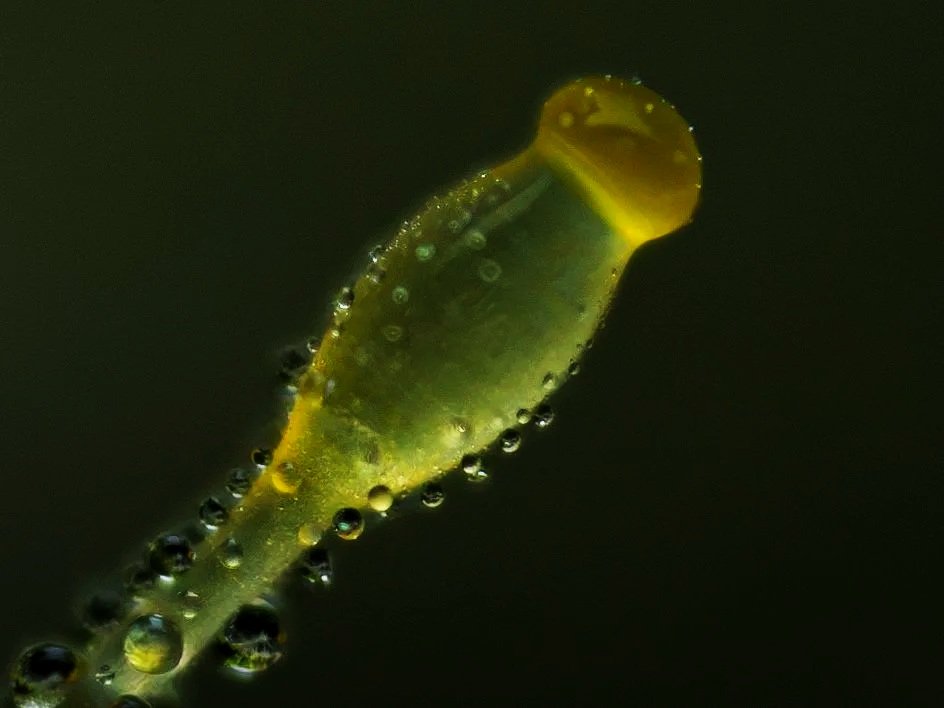
Diversification, interconnection, mutual aid, and adaptability lead to more resilient ecosystems. EFF fights for a more resilient Edinburgh ecosystem through building bridges between its residents and Scottish fungi, as well as flora and fauna.
Education
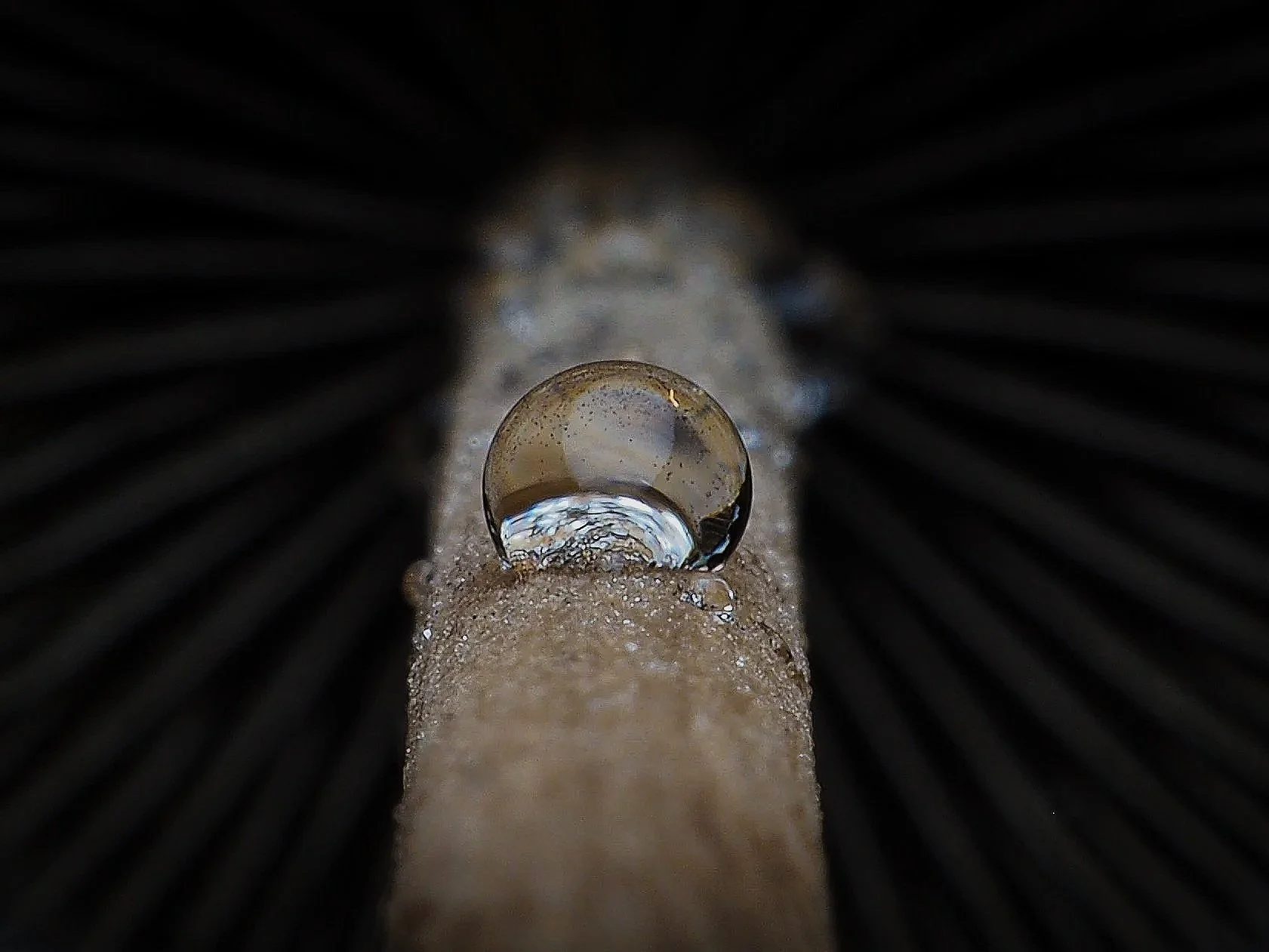
Education is not just a process which happens in a classroom, nor does it stop after childhood. EFF embodies an educational freedom which values hands-on, interdisciplinary, and creative methods that are not only accessible to, but enjoyable for all ages.
Regenerative Economies
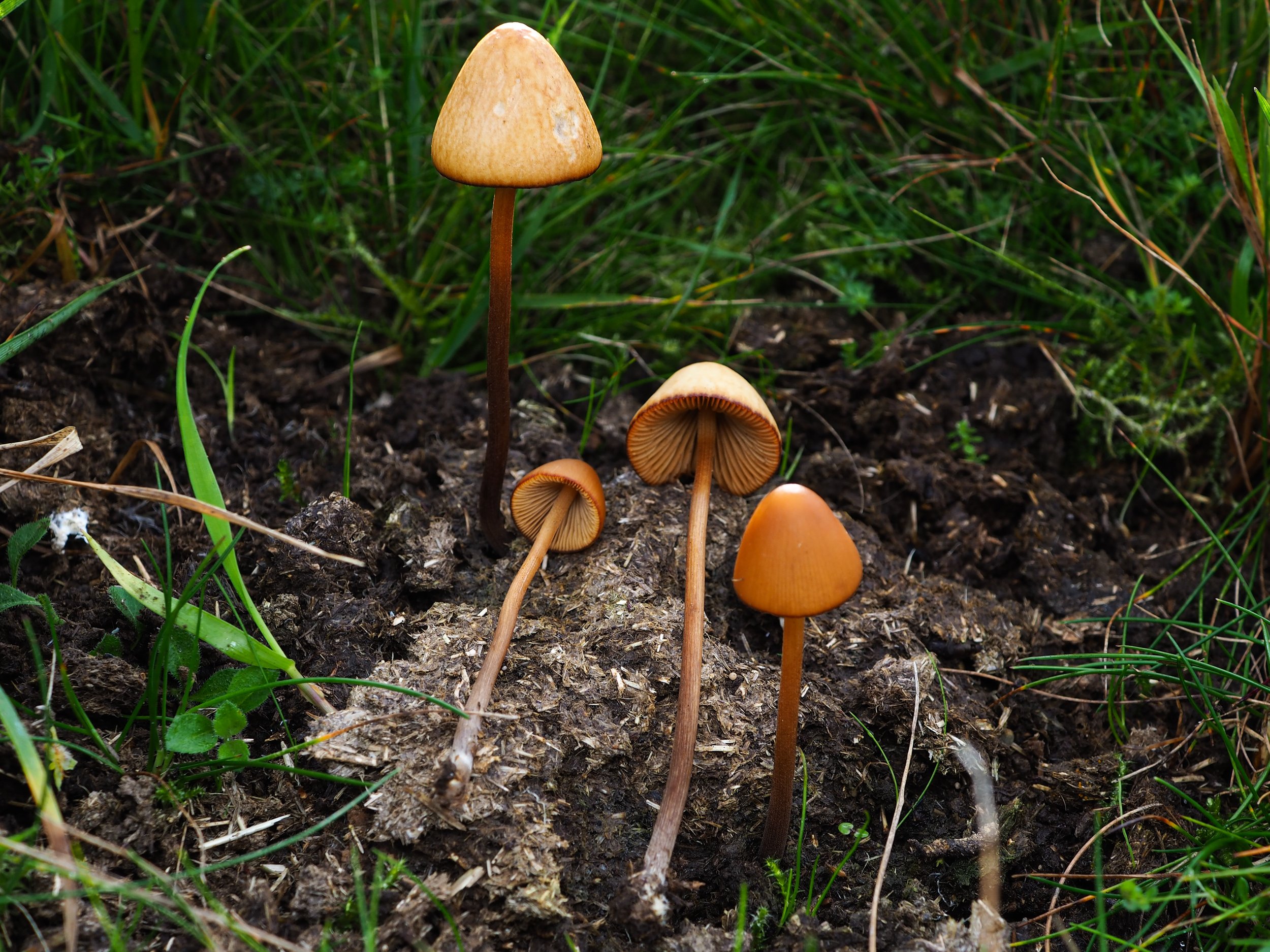
EFF aspires to “close the loop” in the likes of fungal decomposers — making life out of waste, actively decaying antiquated structures, and creating circular economies that restore rather than destroy ecosystems.
Mission
To (a) bring the world of Scottish fungi closer to the masses by making mycology, ecology, art, and environmental knowledge accessible, engaging, and rooted in community; and (b) gather mycologists, artists, cultivators, foragers, researchers, storytellers, and craftspeople to share their passion for Scottish fungi and to exchange research, solutions, interests, and ideas.
Vision
A stronger, more interconnected Scottish myco-community, increased public access to mycological education, diversifying the outdoors, and youth mycological engagement.
Background
EFF grew out of deep admiration for a growing international network of fungi festivals. Festivals dedicated to the appreciation of Kingdom Fungi and and grassroots mycological education have been around since the seventies in certain parts of the US and Australia but have experienced a recent international boom in the wake of the COVID-19 pandemic — a testament to the need for face-to-face community which humans face today in a time of climate crisis, ongoing genocide, and digital isolationism. Festivals have been spreading like wildfires across different continents, inoculating their soils with uniquely contextual forms of fungi fanaticism and innovative interdisciplinary collaborations. Mycological research is also gaining hopeful traction in the fields of medicine, biotechnology, waste management, and regenerative agriculture.
Upon her return from conducting social research in fungi festivals across the extremely biodiverse and beautiful country of Chile, EFF’s founder, Elli Efird, decided to start a festival in Scotland. With the helpful momentum built by the Edinburgh University Fungi Society in which she had participated throughout her undergraduate degree - as well as the guidance of other community leaders and mycophiles (lovers of fungi) - Elli began to turn her dream into reality in starting the Edinburgh Fungi Festival in 2026.
Partially a passion project and wholly a team effort, the inaugural Edinburgh Fungi Festival builds bridges not only between local mycophiles, but between them and the public, and between Scotland and the rest of the growing global myco-movement!
Why Fungi?
Fungi are ecosystem innovators: they break down environmental pollutants, offer biodegradable alternatives to plastics, and create underground mycorrhizal networks which act as massive carbon sinks through plant partnerships. Fungi exemplify and enable the circular economies that can bolster the resilience and self-reliance of communities around Scotland. Knowledge of how to work with fungi towards these solutions can help protect (and is on its way to protecting) the state of biodiversity and habitat loss in the UK and in the world. In 2024, UK and Chile co-launched a Fungal Conservation Pledge at the 2024 UN biodiversity conference - the first time fungi entered international policy discussions at this level. Globally, 2025 saw the IUCN Red List recognise over 1,000 species of endangered fungi, revealing that around two tenths are at risk of extinction. With more fungi on red lists, a pathway between fungal conservation and policy opens up which gives potential access to increased research funding, consideration of endangered species in Environmental Impact Assessments (EIAs), and protection of ecosystems containing vulnerable species. However, much work remains to be done and bridges to be built.
The festival derives its mission from an ongoing gap in both scientific and lay understanding of fungi. As a historically understudied and feared biological Kingdom, fungi remain marginalized in biological sciences, wider academia, and biodiversity initiatives. They are commonly feared by the public, widely influenced by 'mycophobic' narratives historically prominent in Britain, as well as a long list of other countries. As Scotland’s first event of its kind, EFF attempts to reverse these negative stigmas and ill-informed fears, instead spotlighting the potentiality of Scottish fungi - a diverse and crucial niche of Scottish wildlife.
Fungi themselves model resilient, far-reaching community-building in their mycorrhizal networks which allow ecosystems to live and grow via underground interspecies connections. Humans around the world are increasingly drawing hope and sustenance from fungal lifeforms, understanding that these interspecies relationships are of crucial importance in times of climate and biodiversity crises. To these ends, we need to create spaces of joy and creative community-building to foster hope through novel forms of engagement, citizen-led education, and climate and biodiversity action.